How AI is Transforming Code Review From Tedious Chore to Strategic Advantage
I've been using AI tools for code reviews for months now. The results? Faster catches, better discussions, and more time for architecture decisions.
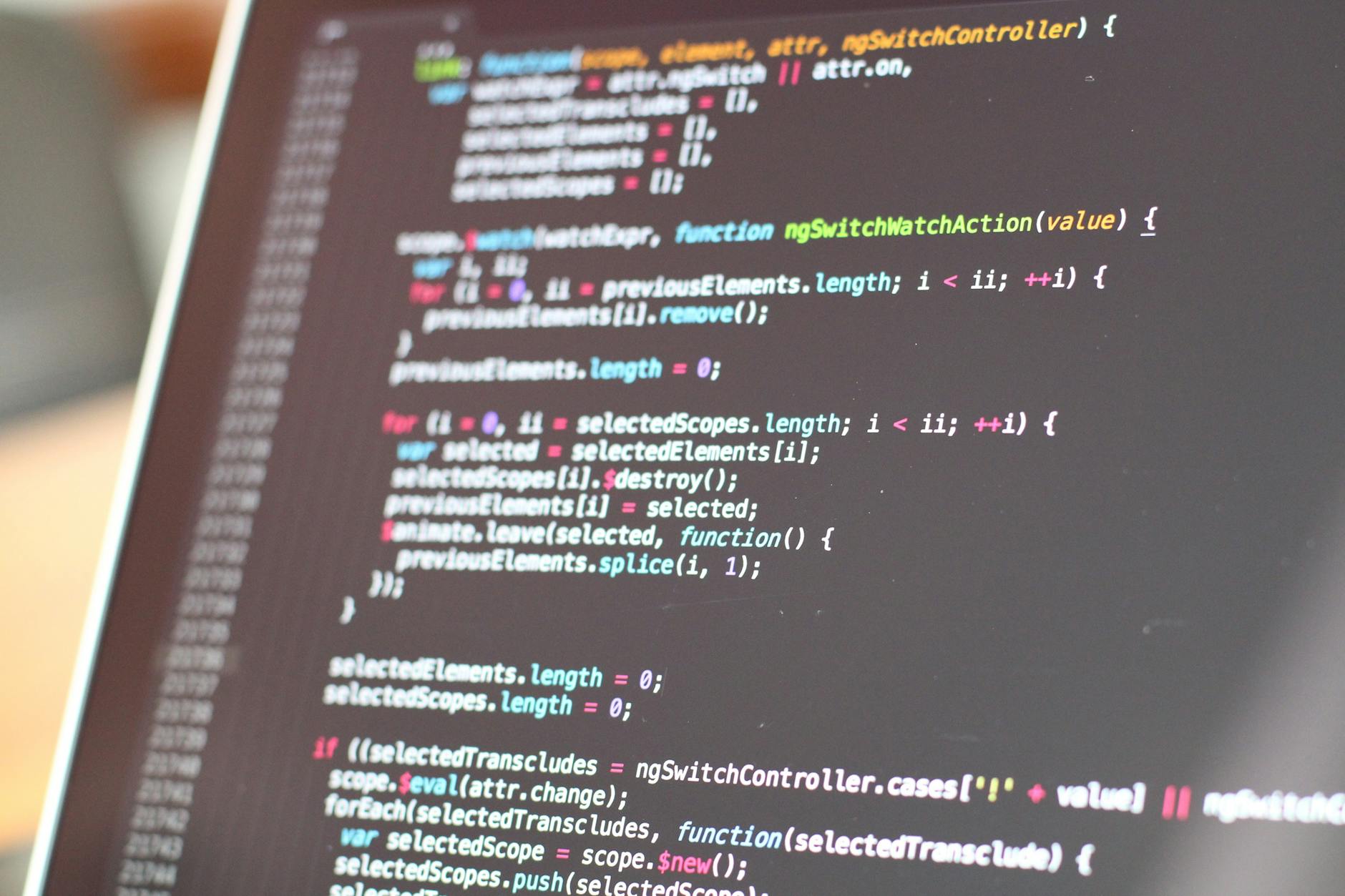
Code reviews used to eat up 20-30% of my development time. You know the drill - scanning through hundreds of lines looking for bugs, style inconsistencies, and security issues while your brain slowly turns to mush. Last year, I started experimenting with AI-powered code review tools, and honestly? It's changed how I think about the entire process.
The traditional code review process has some real problems. Manual reviews are slow, inconsistent, and frankly, human reviewers miss things when they're tired or rushed. I've caught myself approving PRs on Friday afternoons that I definitely should have scrutinized more carefully. Meanwhile, junior developers often struggle to provide meaningful feedback, and senior developers get bottlenecked reviewing everything.
That's where AI is making a real difference - not by replacing human judgment, but by handling the grunt work so we can focus on what actually matters.
AI Catches What Humans Miss (And Vice Versa)
I've been using tools like GitHub Copilot, CodeRabbit, and Amazon CodeGuru for different projects, and each has its strengths. What I've noticed is that AI excels at the systematic stuff - catching potential null pointer exceptions, spotting SQL injection vulnerabilities, and flagging performance anti-patterns.
Here's a real example from last month. I was reviewing a React component where someone had written:
const UserProfile = ({ userId }: { userId: string }) => {
  const [user, setUser] = useState(null);

  useEffect(() => {
    fetchUser(userId).then(setUser);
  }, []); // Missing userId dependency

  return (
    <div>
      {user.name} {/* Potential null access */}
    </div>
  );
};
The AI tool immediately flagged both the missing dependency in useEffect and the potential null access. These are exactly the kind of bugs that slip through when you're focused on business logic during manual reviews.
But here's the thing - AI also misses context that humans catch immediately. It might not understand that a seemingly "unused" import is actually needed for a side effect, or that what looks like duplicate code is intentionally separated for different business domains.
The New Review Workflow
I've settled into a workflow that leverages both AI and human intelligence:
Step 1: AI Pre-Review
Before any human touches the PR, AI tools scan for:
- Syntax errors and type issues
- Security vulnerabilities
- Performance bottlenecks
- Code style inconsistencies
- Missing test coverage
Step 2: Human Strategic Review
With the mechanical issues handled, human reviewers focus on:
- Architecture decisions
- Business logic correctness
- API design
- User experience implications
- Long-term maintainability

This approach has cut our average review time from 2-3 days to same-day turnaround on most PRs. More importantly, the quality of human feedback has improved because reviewers aren't distracted by formatting issues and obvious bugs.
Real-World AI Review Tools I Actually Use
GitHub Copilot Chat - Great for quick "what's wrong with this code?" queries. I use it to double-check my own code before submitting PRs.
CodeRabbit - Excellent at providing contextual comments directly in PRs. It understands the diff and can explain why specific changes might be problematic.
Amazon CodeGuru - Powerful for performance analysis and security scanning, especially in production codebases.
SonarQube with AI features - Best for maintaining code quality standards across large teams.
Each has trade-offs. CodeRabbit is great for small teams but can be noisy on large PRs. CodeGuru is thorough but sometimes overly conservative with its suggestions.
The Gotchas Nobody Talks About
AI code review isn't perfect, and I've learned some lessons the hard way:
False Positives Are Real - AI tools can flag legitimate patterns as problematic. You need humans who understand the codebase context to filter these out.
Context Matters More Than Ever - AI might suggest a "better" algorithm without understanding that the current one was chosen for specific business constraints.
Over-Reliance Risk - I've seen teams start rubber-stamping AI-approved PRs without proper human oversight. That's dangerous.
Training Data Bias - AI tools trained on public repositories might suggest patterns that don't fit your specific domain or constraints.
What This Means for Developers
The developers adapting well to AI-assisted reviews are those who:
- Learn to write better PR descriptions that give AI tools more context
- Understand how to prompt AI tools effectively for code analysis
- Can distinguish between AI suggestions worth following and those to ignore
- Focus their human review time on high-level design decisions
Junior developers especially benefit because they get instant feedback on common mistakes, accelerating their learning curve. Senior developers get their time back to focus on architecture and mentoring.
Practical Takeaways
- Start with one AI review tool and learn its strengths/weaknesses before adding others
- Set up AI pre-review automation but always require human approval for merges
- Train your team to write better PR descriptions that give AI tools more context
- Focus human review time on business logic, architecture, and user experience
- Create guidelines for when to follow AI suggestions vs. when to override them
- Track metrics on review speed and bug detection to measure improvement
AI won't replace code reviewers anytime soon, but it's definitely changing what good code review looks like. The teams embracing this hybrid approach are shipping faster with fewer bugs, while those sticking to purely manual processes are getting left behind. What's your experience been with AI-assisted reviews?

Ibrahim Lawal
Full-Stack Developer & AI Integration Specialist. Building AI-powered products that solve real problems.
View Portfolio